When it comes to sculpture, most people think of fine marble human figures or artistically large metal sculptures in public. If you were walking on the street and suddenly saw a moving sculpture, would you be attracted by it? Perhaps this is an art form you have never seen, yes, this is kinetic sculpture. Whether you view this sculpture up close or from a distance, the sculpture presents a different state, which is what is so interesting about kinetic sculpture. In this article, we would discuss kinetic art sculpture together.
What Is Kinetic Art?
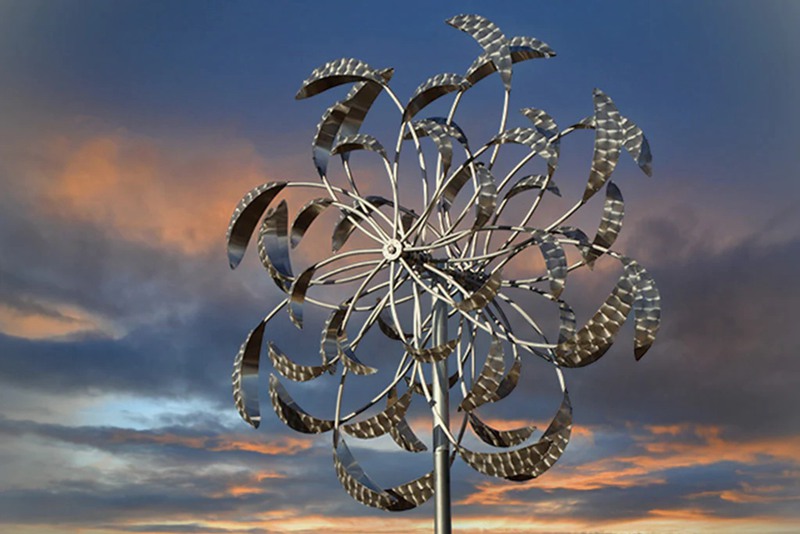
Kinetic art is a term that refers to the movement of objects. It can take the form of sculpture or installation art, or any object that is moved by external forces such as gravity or wind. Kinetic art is art from any medium that incorporates motion perceptible to the viewer or effects that depend on motion. More pertinently, the term kinetic art most commonly refers today to three-dimensional sculptures and figures, such as mobile installations that move naturally or are operated by machines.
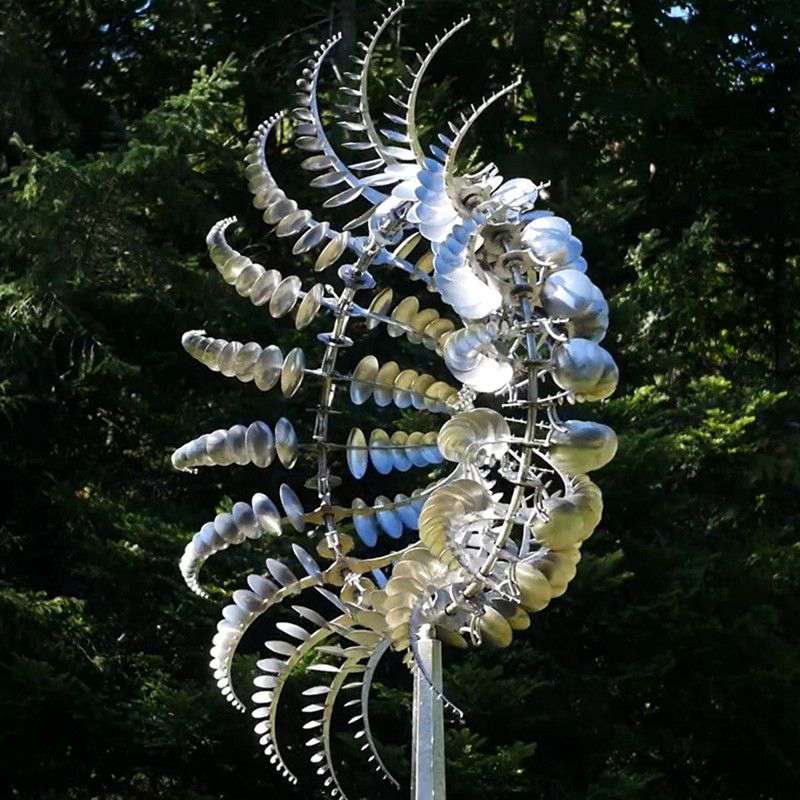
(Popular Park Large Kinetic Wind Sculpture Outdoor CSS-01)
In the creation of painting, sculpture and artistic environments that depend on athletic performance, the dynamic art movement is the first artwork to provide works of art, extending both in time and space. This is a revolutionary gesture: not only because it introduces a new dimension to the viewing experience, but also because it effectively expresses a new fascination with the time and space that defines the modern knowledge culture since Einstein’s discovery.
Dynamics artists often showcase art works that rely on mechanized movements, or explore the driving forces of mechanization and scientific knowledge characterized by modern society. However, different artists have expressed different positions on this process: those who are influenced by constructivism believe that by embracing machines, art can be integrated into everyday life and play a new core role in future utopian society; The influential artists use anarchic, ironic mechanical processes to comment on the potential slavery of science, technology, and capitalist production to humanity.
What Is Kinetic Sculpture?
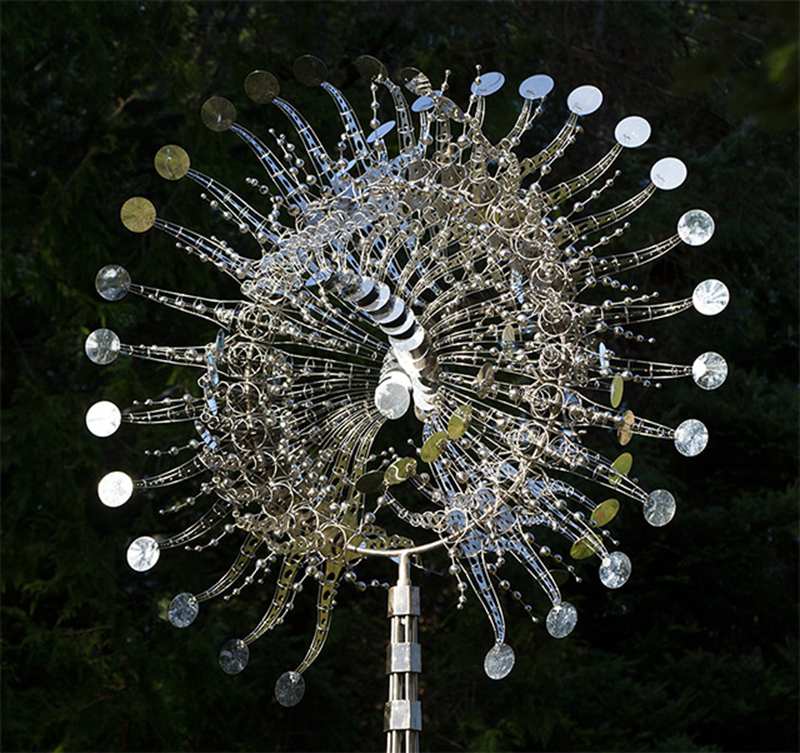
Kinetic sculpture is a form of kinetic art that uses perceivable movement by the viewer to create an effect. During the 20th century, the use of actual movement, known as kinematicism, became an important aspect of sculpture. The goal of most kinetic sculptors is to make motion itself an integral part of the sculptural design, not just to impart motion to an already complete static object. When using liquids and gases as ingredients, sculptures may undergo constant changes in shape and size.
Many kinetic artists are interested in analogies between machines and humans. Rather than treating these two entities as fundamentally different-one without soul and function, the other with intuition and insight-they use their art to suggest that humans may just be irrational desires and impulsive irrational engines, like The same as the dysfunctional machine. This idea is deeply rooted in Dada, but it is also related to the concept of cybernetics in the Middle Ages.
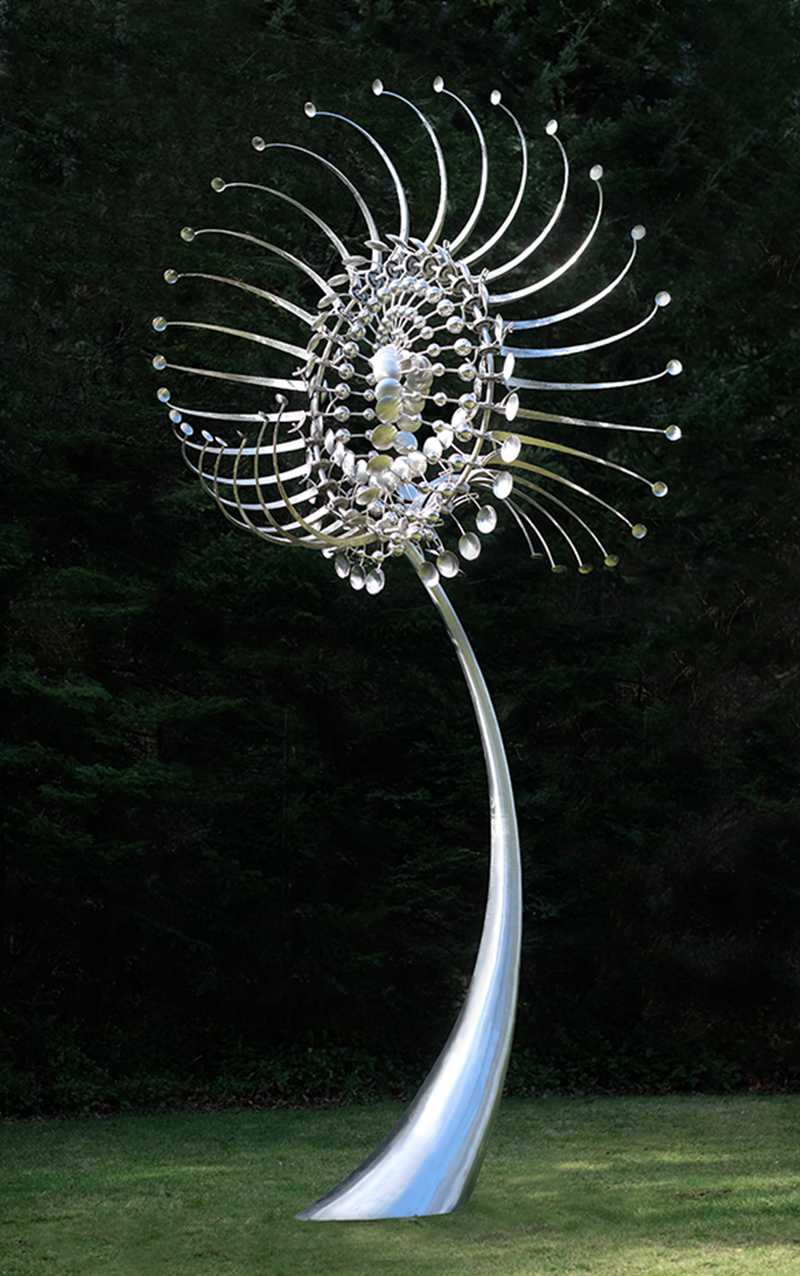
(New Product Metal Kinetic Stainless Steel Sculpture Factory CSS-01)
Kinetic sculptures range from sculptures in which parts move through air currents or water. Through magnetic, electromechanical devices or the participation of the viewer himself. The goal of most kinetic sculptors was (and still is) not just to animate an already finished static object, but to make movement itself an integral part of the sculptural design. The aesthetic appeal of these sculptures also changes through continuous movement and placement in space and time.

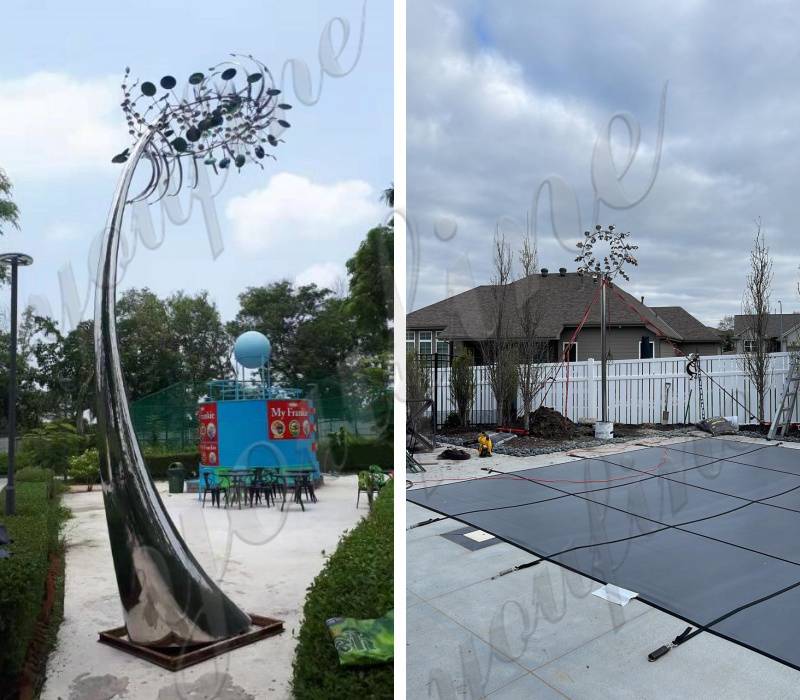
YouFine Kinetic Sculpture Project Show